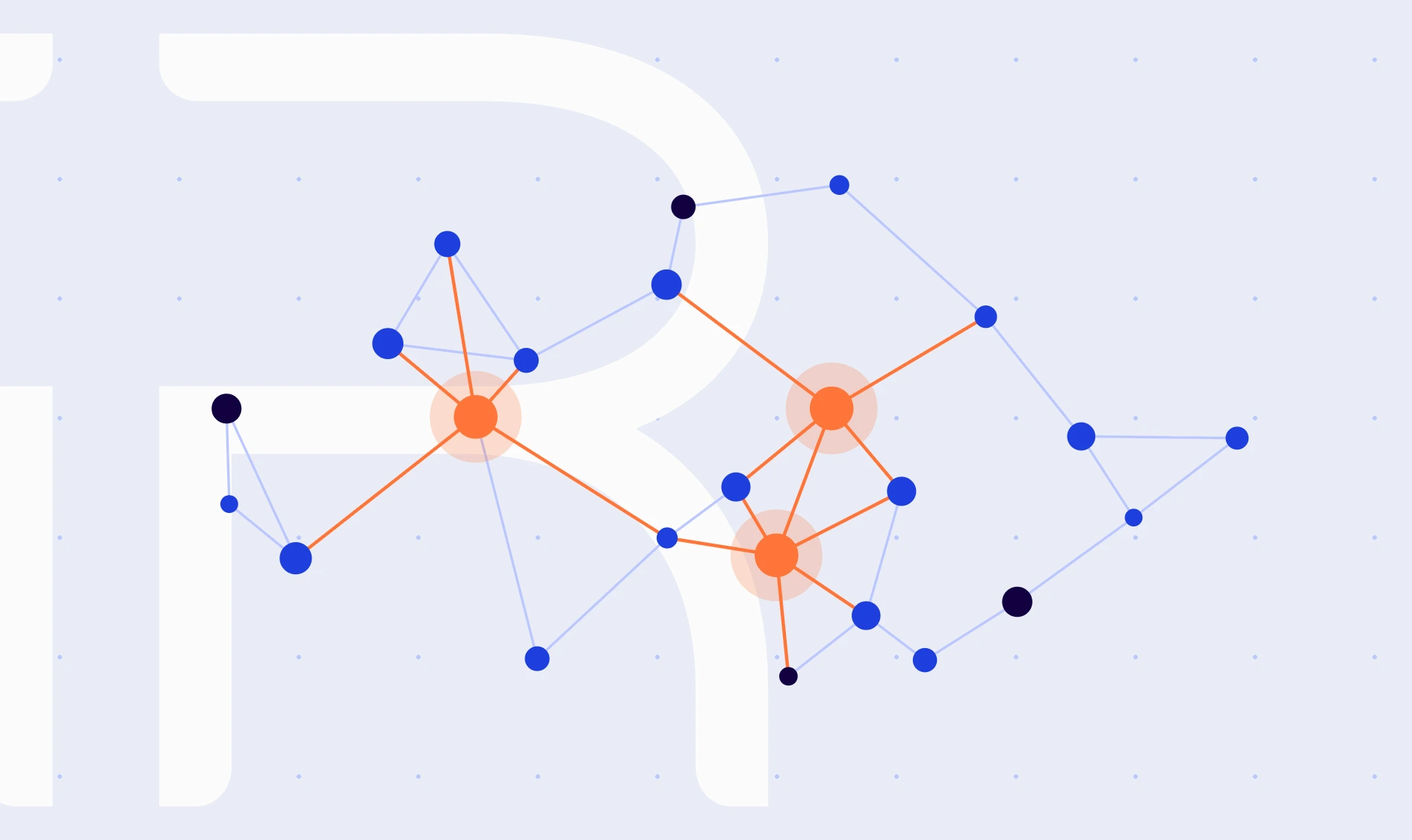
The fundamental difference is that public affairs teams do not primarily “manage customers”; they manage stakeholders, they influence networks, issues, institutional relationships, and engagement history, and all their tracking and tracing is centered around the policy process.
Don’t use standard CRM solutions
What is the core difference? A generic CRM like Hubspot, Salesforce, Zoho or else, is quick to set everything up. They come with pre-built contact lists, deal stages, and task trackers. They have broad flexibility and connect easily with hundreds of everyday third-party apps like email, calendars, outreach, and other software. Their scalability is great and even grows with your organization if your operations follow a standard lead-to-close (sales) model.
But they also have common limitations. They lack specific workflows, and even worse, they struggle with unique industry needs, in our case, the mostly straight forward, but also always peppered with exceptions policy making process. Not to speak of unique challenges in multi-lingual setups like the EU or Switzerland. Standard solutions always require workarounds: teams waste time creating manual hacks to make the tool fit their real-world process, and not to speak of costs: the more advanced the needs, the higher the cost.
A generic sales CRM is amazing in capturing contacts, but it usually cannot connect stakeholder activity to legislation, regulatory files, consultations, committees, political actors, and advocacy campaigns. Purpose-built public affairs platforms increasingly integrate Stakeholder Relationship Management (SRM), which is essentially a CRM adapted for political and regulatory engagement, but then lack quick and easy ways of documenting anyone’s own activity, from meetings to outreach.
This is what SAVOIRR has built fully differently, as we come from both, a file- and procedure-based approach, and from a people- / policymaker route. We blend back together what never should have been separated. What SAVOIRR does:
- Establish institutional memory
- Linking people to issues
- Measuring advocacy effectiveness
- Outreach and engagement
- Team coordination
All in one platform. All in one workspace for public and regulatory affairs.
---
Why a CRM is needed in digital public affairs software
1. Institutional memory
Public affairs teams suffer from a common problem:
- "Maria knows the DG ENV Unit XY desk officer."
- "John manages the MEP relationship."
- "The CEO met Ireland’s Perm Rep EU-Vice-Ambassador last year."
When people leave, the knowledge disappears.
A CRM stores:
- stakeholder profiles
- meeting history
- policy positions
- influence assessments
- follow-up commitments
- relationship strength
This turns personal knowledge into organizational knowledge. We explicitly position our stakeholder CRM around preserving institutional knowledge and engagement history.
2. Linking people to issues
Public affairs is not merely contact management.
The question is:
Which stakeholders matter for which legislative files?
A good CRM should connect these dots:
- dossiers
- legislation
- issues
- policymakers…
- …and their staff
- meetings
- advocacy actions
This creates a complete influence map, accessible for all team members, stakeholders, and available for download, link, and share
3. Measuring advocacy effectiveness
Senior management increasingly asks:
- Which relationships matter?
- Which meetings happened?
- Who has been engaged?
- What outcomes resulted?
- And out of all of this: Create simple reports and overviews.
CRM data enables reporting on advocacy activity and relationship development. We at SAVOIRR emphasize engagement tracking and reporting as core functionality.
4. Outreach and engagement
Not another mass mailing tool but a targeted solution for specific outreach along the policy making process:
- Send out emails to policymakers and their staff.
- Work directly on a file, amendments, inputs.
- Identify simple triggers to tracking (names → emails; file numbers → short names; etc)
With even outreach sent by and from your organisations domain, you keep track of who was doing what with whom, who provided information to whom, and where did who store what on which dossier.
5. Team coordination
Without CRM:
- duplicate outreach occurs
- stakeholders receive conflicting messages
- follow-ups are missed
CRM allows:
- shared ownership
- visibility across teams
- activity tracking
- assignment management
- document team activities
We take care to highlight visibility of team engagement with stakeholders, and thereby elimination of duplicate outreach.